What Actually Triggers HSV Outbreaks?
While triggers vary between individuals, several factors are consistently reported across research and clinical experience as associated with HSV outbreak recurrence.
Understanding common triggers can help with practical planning, though this information does not replace guidance from your own doctor.
Psychological and physical stress
Stress is among the most consistently reported triggers across both research and patient-reported experience. Elevated stress hormones are thought to temporarily affect immune function in ways relevant to viral reactivation.
Illness and immune system strain
Other infections, fevers, and general immune system strain from illness are commonly reported as triggers, likely related to the immune system's resources being directed elsewhere.
Sun exposure and UV light
For HSV-1 specifically, sun exposure and UV light are well-documented triggers for oral outbreaks, which is why some people use lip balm with SPF as a preventive practice.
Hormonal changes
Menstrual cycle fluctuations are reported by some individuals as correlating with outbreak timing, though this varies considerably between people.
Fatigue and poor sleep
Insufficient sleep and general fatigue are commonly reported alongside other stress-related triggers, consistent with sleep's broader role in immune function.
Tracking your own patterns
What this means for management
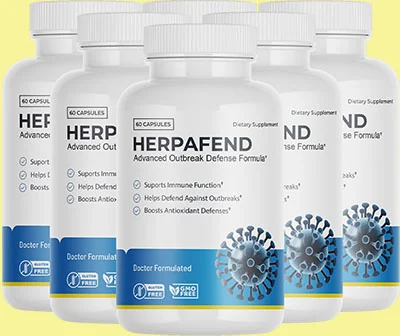
Addressing manageable triggers, sleep, stress and sun protection among them, is a reasonable complement to prescribed antiviral treatment. Formulas built around general immune-support ingredients, like those in Herpafend, are designed to support this broader picture, not replace it.