L-Lysine And Herpes: What The Research Actually Shows
L-Lysine, an essential amino acid, has a longer and more specific published research history related to herpes simplex virus than almost any other supplement ingredient marketed for this purpose.
Understanding what that research actually shows, and where it falls short, helps set realistic expectations.
The 1987 Griffith study
One of the most frequently cited pieces of research here is a 6-month study by R.S. Griffith, published in the journal Dermatologica, which examined regular L-Lysine treatment in people with recurrent herpes simplex infections. The study reported an association between consistent lysine intake and reduced infection frequency.
The proposed mechanism
The theory involves competition with another amino acid, arginine, which the herpes virus needs for replication. Higher lysine intake relative to arginine is thought to create a less favorable environment for viral replication, though the exact mechanism in humans is not fully settled.
What the wider research shows
Why results vary across studies
Differences in dose, study duration and how outbreaks were measured likely explain some of the inconsistency between studies. Individual factors, including dietary arginine intake, may also affect how much difference supplemental lysine makes for any given person.
What the evidence does not support
L-Lysine is not a cure for herpes simplex virus, does not eliminate the virus from the body, and is not a substitute for prescribed antiviral medication. HSV remains a lifelong viral infection that antiviral medications manage far more reliably than any supplement.
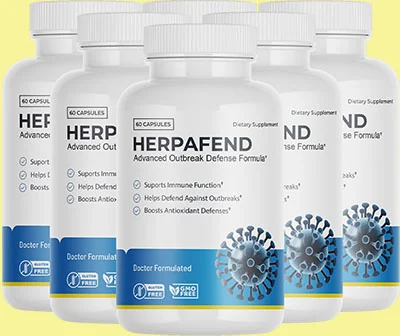
Applying this to Herpafend
L-Lysine is one of the four named ingredients in Herpafend's formula, included as the ingredient with the clearest, longest-running research connection to HSV wellness. Given the genuinely mixed evidence beyond the original Griffith study, it's reasonable to view this as a potentially useful complementary approach, not a guaranteed outcome, and never a replacement for your doctor's guidance.